Powering Climate & Infrastructure Careers: A National Imperative for Tomorrow’s Economy
The United States’ transition to a clean economy is one of the greatest opportunities of our generation. This shift enables us to not only build sustainable infrastructure that powers our homes and transports us safely from one town to the next, but also has the potential to create thousands of quality jobs that strengthen economic possibilities for our neighbors and communities if we act with intention.
These jobs, which offer a living wage, purpose, and pathways for advancement in sectors like manufacturing and energy, are strengthening neighborhoods nationwide. Jobseekers, workers, and employers are driving this moment, connecting people with opportunities while simultaneously building the essential infrastructure our country needs. By investing in climate workforce development today, we are actively creating the economy of tomorrow.
Third Sector, in collaboration with the Families & Workers Fund (FWF), provided technical assistance to FWF’s state cohort under its Powering Climate and Infrastructure Careers (PCIC) initiative. This initiative supported four state agencies in designing and implementing workforce strategies to improve job quality and create inclusive training and career pathways in the climate and infrastructure sectors in each state. During the first phase of each state’s three-year project, Third Sector specifically focused on helping each state agency develop core capabilities for outcomes-focused government, covering areas such as implementation-informed policymaking, responsive services, and building and sustaining trustworthy external relationships. The UC Berkeley Labor Center and Julius Education also contributed technical assistance, providing expertise in job quality and labor market information, respectively.
Throughout the 16-month engagement, the state agencies expanded their capacity to:
- Define outcomes of success, including getting a clearer picture and alignment on job quality;
- Engage and coordinate shared efforts with local workforce development boards, state agencies, employers, community-based organizations, and other stakeholders to build an inclusive workforce;
- Embed worker empowerment and worker voice in their planning; and
- Use data for decisionmaking, measuring progress, and understanding the opportunities in their state.
Specifically, Third Sector and our partners provided technical assistance to the following four state agencies to advance their north star goals:
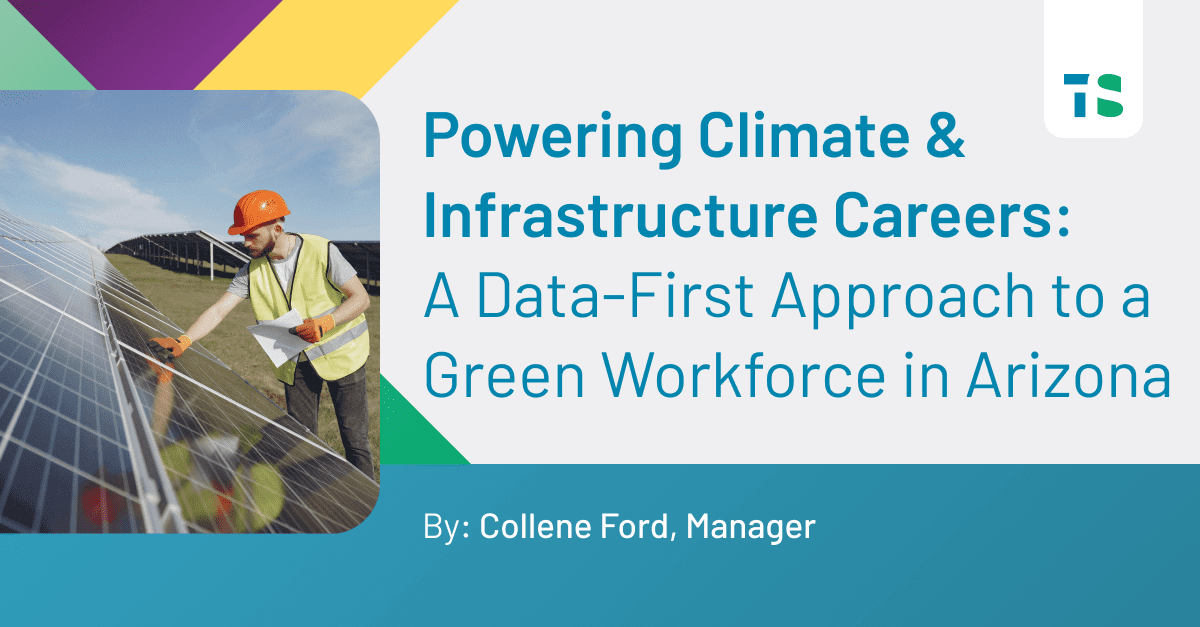
- The Arizona Office of Economic Opportunity strives to assess the state’s climate and infrastructure, quality job opportunities, and identify high-demand skills needed across the state.
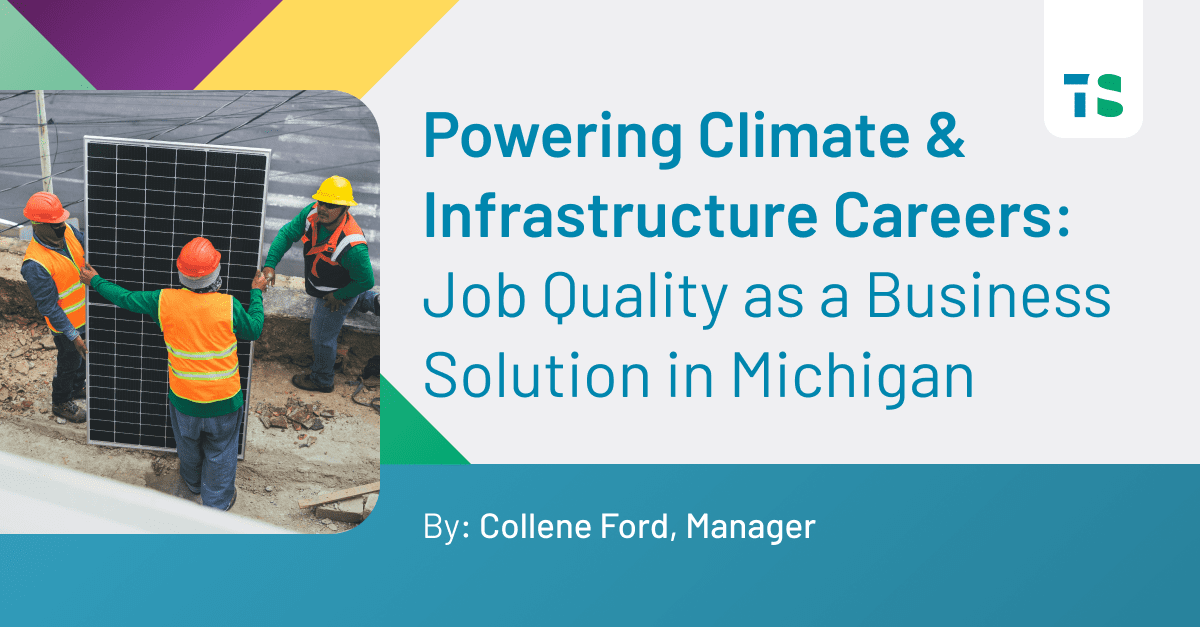
- The Michigan Department of Labor & Economic Opportunity aims to develop a framework and tools to define, measure, and promote job quality strategies, as well as scale training to create good jobs for energy and auto workers impacted by economic transitions.
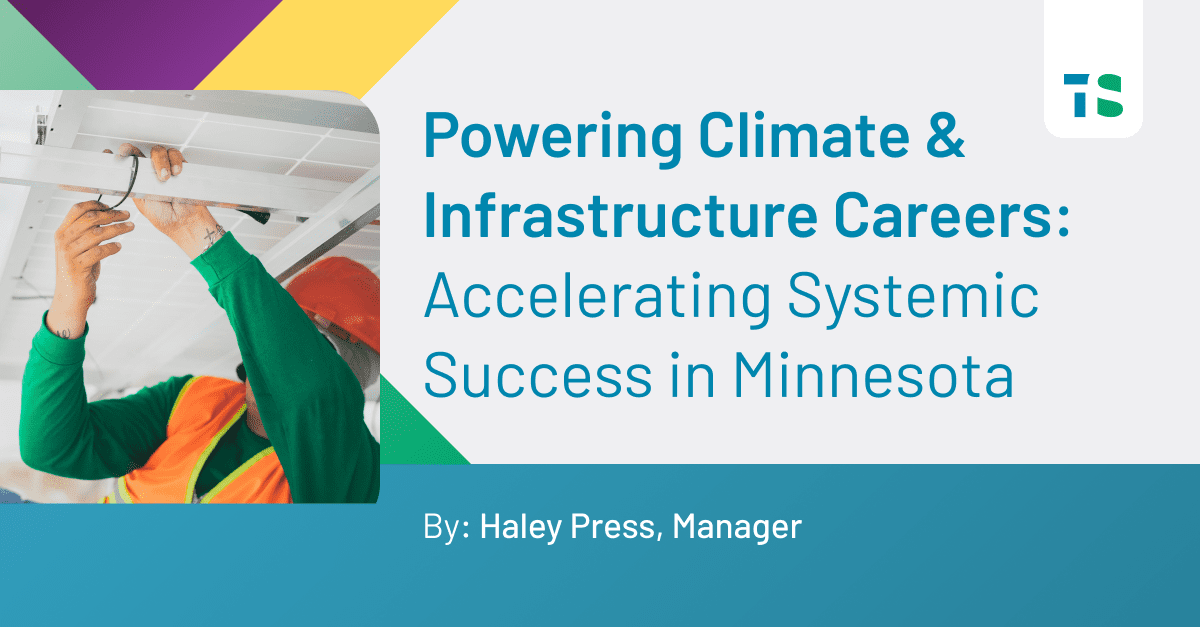
- The Minnesota Governor’s Workforce Development Board and Department of Employment and Economic Development strive to convene state and local partners and implement coordinated workforce strategies that ensure inclusive access to quality jobs and career pathways, supported by state and federal investments in climate and infrastructure sectors.
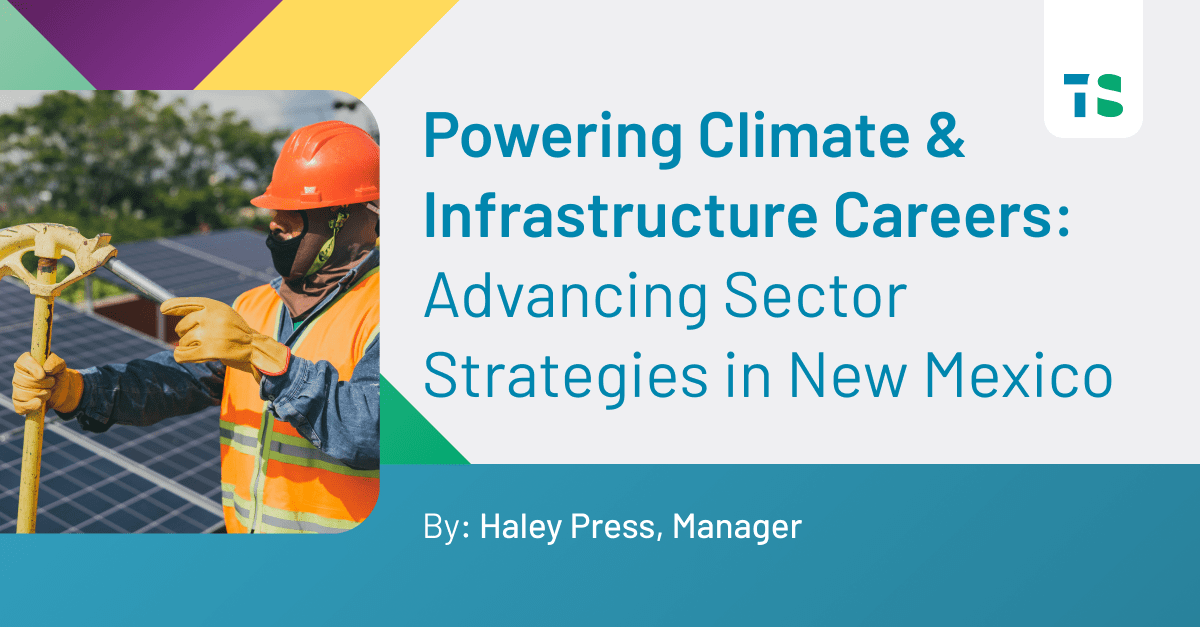
- The New Mexico Department of Workforce Solutions aims to establish common clean energy workforce skills and requirements across secondary education, higher education, and careers to establish statewide job quality standards for climate and infrastructure pathways in partnership with employers, educational institutions, community-based organizations, and other state agencies and policymakers.
This blog is the first in a five-part series that explores our work with each state team. Each blog will spotlight a state’s unique context, goals, and takeaways, offering lessons other states can adapt as they design and implement workforce strategies to advance job quality and equitable training and career pathways. We’re excited to share this journey with you and highlight the best practices and capacity-building strategies emerging from these partnerships.
Check back weekly for updates on our work with each state, and share this post with your networks.
To learn more, contact me, Jess Praphath, Managing Director, Workforce Pathways, at jpraphath@thirdsectorcap.org.